 Kaizer Chiefs FC Hub
The Heartbeat of AmaKhosi: Exploring Fan Culture and Derby Day Magic
When the sun rises on a match day at FNB Stadium, the air in Naturena is charged with an unmistakable energy. It’s not just another Saturday in Johannesburg; it’s a ritual, a celebration, a communal experience that embodies the spirit of Kaizer Chiefs FC and its devoted supporters, known as AmaKhosi.
Fans begin to congregate long before the whistle blows, turning the area surrounding the stadium into a vibrant festival. The unmistakable sound of vuvuzelas fills the air, as supporters clad in gold and black proudly display their team colors. This pre-match gathering is more than just a warm-up; it’s a time-honored tradition where stories are shared, and camaraderie is built. The smell of boerewors sizzling on the braai wafts through the crowd, mingling with the excitement, creating an atmosphere that is as intoxicating as it is festive.
At the heart of this gathering is the legendary Kaizer Chiefs Supporters Club, which unites fans from all walks of life. The club’s leaders are often seen directing chants and songs, instilling a sense of unity and purpose among the supporters. These chants—some of which have been passed down through generations—echo through the stadium, creating an almost palpable sense of belonging.
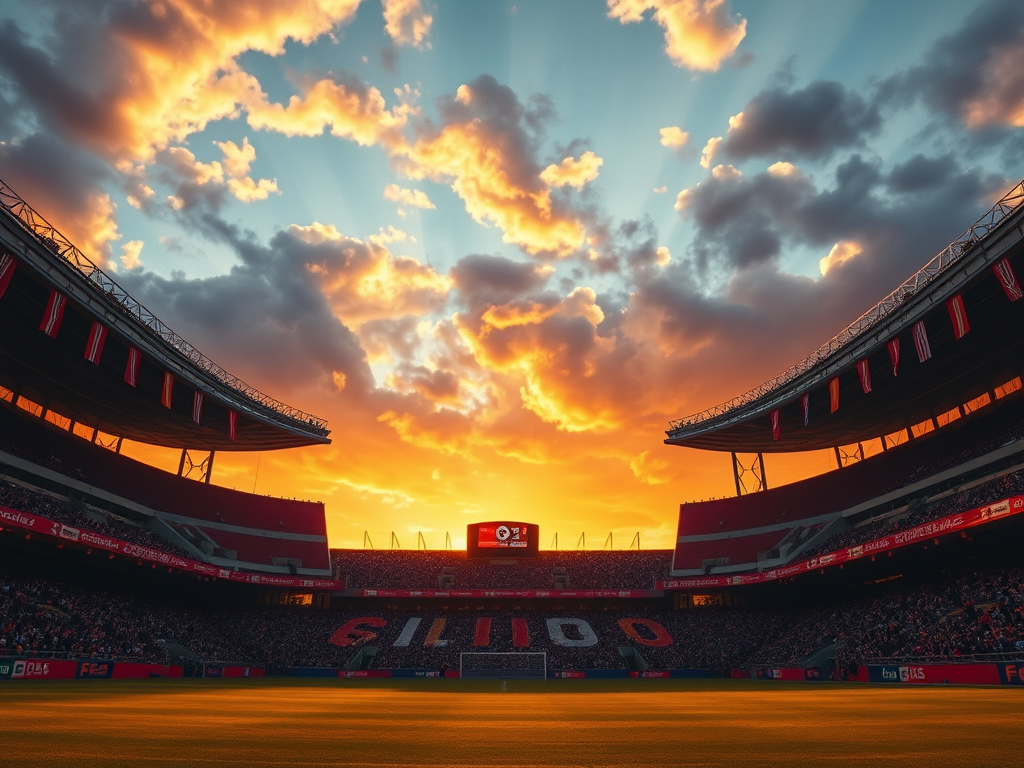
As the kickoff approaches, the energy intensifies, and the stadium fills to capacity. The iconic FNB Stadium, often referred to as Soccer City, becomes a cauldron of noise and color. The unique derby atmosphere against rivals like Orlando Pirates is unparalleled—a fierce competition that ignites emotions and elevates the stakes.
One of the most cherished traditions before a derby match is the AmaKhosi Prayer, where fans gather in a circle to seek blessings for their team. This moment of reflection and unity serves to strengthen the bond between supporters and players alike, reminding everyone that football transcends mere competition; it’s a way of life. The prayer is often followed by the traditional “Shosholoza” chant, bringing the crowd together in a powerful display of solidarity.
Inside the stadium, the rituals continue. The sight of fans waving their flags, donning personalized jerseys, and performing synchronized movements with their hands is a spectacle to behold. As the players emerge from the tunnel, the roar of the crowd reaches a fever pitch. This is not just a game; it’s a battle, and every supporter is a soldier in the fight for victory.
The derby atmosphere is further enhanced by the Kaizer Chiefs’ mascot, who dances along the sidelines, engaging with fans and adding a touch of whimsy to the serious business of football. Children and adults alike are captivated, and for many, it’s a cherished memory that they’ll carry for years to come.
As the match unfolds, the ebbs and flows of the game are mirrored by the fans’ reactions—gasps of disbelief during missed opportunities, roars of joy during goals, and a collective sigh when the team falters. It’s a rollercoaster of emotions, but through it all, the unwavering support for the AmaKhosi remains steadfast.
When the final whistle blows, regardless of the outcome, the sense of community endures. Fans linger in the stadium, singing and celebrating, reaffirming their loyalty to the badge. The connection between the players and supporters is palpable; they share in the triumphs and the heartbreaks, embodying the true essence of football culture in South Africa.
In conclusion, the fan culture surrounding Kaizer Chiefs FC is a rich tapestry woven with traditions, rituals, and an unbreakable bond. It’s a culture that not only enhances the experience at FNB Stadium but also shapes the identity of AmaKhosi supporters—an identity steeped in passion, loyalty, and an unwavering love for the beautiful game.